
Builds
CONTROL Resonant builds — the three playstyles ranked: raw melee power, ability-driven agility, environmental manipulation, plus hybrids and budget builds.
Introduction
The Builds hub ranks and plans character builds for CONTROL Resonant around the three officially confirmed playstyles: raw melee power, ability-driven agility and environmental manipulation. Each build guide explains the playstyle fantasy, the weapon and ability investment priorities, the combos that define it, and the encounters where it shines. We also cover hybrid and mixed builds for players who want flexibility, plus early-game budget builds for the first hours before the deep progression system opens up. Every build is grounded in confirmed mechanics — the Aberrant's forms, the three-branch power structure and the zone hazards — rather than invented skill trees, and tier rankings are presented with reasons and scenarios attached, not as bare S/A/B letters.
Build Tier Reference
| Tier | Build | Best For |
|---|---|---|
| S | Raw Melee Power | Heavy hammer damage, direct aggression and crowd breaking |
| A | Ability-Driven Agility | Supernatural movement, dodging and elemental burst combos |
| B | Environmental Manipulation | Gravity hazards, crowd control and battlefield control |
| C | Hybrid / Mixed | Flex builds balancing melee, powers and environment tools |
Build Rankings
Raw Melee Power
Maximize the Aberrant's heavy side — hammer-focused, damage-loaded and built for direct aggression, crowd breaking and staggered elites. The strongest pure damage framework. Hammers also stagger armored enemies reliably, which sets up elemental bursts and gives the raw melee path a strong crowd-control identity in addition to raw damage.
Ability-Driven Agility
Supernatural movement, dodging and elemental burst combos — the fastest, showiest and most survivable framework, trading raw hits for flow and positioning. Agility builds stay alive through constant repositioning, outmaneuver elite enemies and exploit gravity anomalies to create attack windows that slower playstyles cannot reach.
Environmental Manipulation
Weaponize gravity anomalies, debris and the warped city itself — a control-focused framework that redefines the battlefield before the enemy can use it. Environmental builds excel in fixed encounters where hazards repeat, letting you plan each fight around the battlefield, and they make even small zones feel like a custom arena.
Hybrid / Mixed
Balance melee, powers and environment tools for flexibility — the jack-of-all-trades framework that handles every situation without specializing in any single one. Hybrids also adapt to any boss pattern without respec, and their flexibility is a big advantage on a first playthrough where you do not yet know which encounters test which strengths.
Core Mechanics
A build in CONTROL Resonant is an expression of the deep progression system: every choice about how Dylan's powers manifest and grow shapes your combat identity. You invest progression into the Aberrant weapon, supernatural and elemental abilities, and environmental capabilities, and those investments determine the combos and scenarios you excel in. Raw melee power goes all-in on the hammer-heavy Aberrant, trading mobility for devastating damage and crowd-breaking swings. Ability-driven agility prioritizes supernatural movement and elemental bursts, trading raw damage for speed, dodging and incredible flow. Environmental manipulation invests in bending the battlefield — gravity anomalies, debris and hazards become primary tools. Hybrid builds balance across branches for flexibility at the cost of specialization; the tier list ranks them by raw strength, reliability and fun across the confirmed encounter types.
Advantages
A builds hub translates the flexible progression system into concrete plans, so you spend your limited upgrade resources with intent. Instead of wondering whether you should boost powers or weapon damage, you can follow a coherent build that tells you exactly which branch feeds which combo. The tier list comes with reasons: raw melee is ranked at the top for raw one-button power, ability agility for survivability and style, environmental for control — and hybrids for flexibility. Early-game builds help you survive the first hours, and endgame guides plan respecs and NG+ iterations for the deepest play. Every build links to Ability, Weapon and Combat guides for the mechanics behind the plan.
Challenges
Build advice is inherently uncertain before launch: the strongest numbers, the real skill trees and the post-launch balance meta are unknown, so tier rankings here are framework predictions based on confirmed design rather than tested data. A build that looks S-tier in theory could shift after real mechanics land or after the first balance patches. Writers must label every ranking as a pre-release guide, avoid fake stats and encourage players to adjust based on their own play experience. After launch, the hub will be rebuilt on real data with actual combo testing. After launch, tested meta builds and first-hand feedback must replace pre-release framework predictions, balance patches will reshuffle the tier list, and players should treat early guides as starting points rather than final answers.
Frequently Asked Questions
What is the best build in CONTROL Resonant?+
Can I combine all three playstyles?+
Is the respec system available?+
Quick Tips
Commit to one primary branch for your first build: the deep progression system heavily rewards synergy, so a focused raw-melee, agility or environmental build will always out-perform a spread-out hybrid in its home scenario. Start with the framework that matches how you want to play, press the tier list for reference, and revisit after launch when the real skill trees are documented and tier rankings are rebuilt on tested data.
Pair your build with the right zone and combat habits: raw melee shines in dense enemy areas, agility dominates duels and anomalies, and environmental builds need to learn each zone's hazards. Read the Locations and Combat hubs alongside your build guide so your progression investment pays off in actual encounters, then practice the defining combo until it is automatic before difficult zones ramp up.
Do not worry about the S/C labels — play what you enjoy and adapt: the tier list is a pre-release framework built from confirmed design, not real meta data. If the agility build feels amazing to you, play it even if theory ranks raw melee higher. After launch, use the hub's tested builds and community feedback to refine your choices, and watch for balance patches that can shift any build's standing.
Featured

CONTROL Resonant Agility Build: Speed & Environmental Combos
Create a lightning-fast control resonant agility build for hit-and-run tactics. Balance speed, environmental attacks, and ability combos to craft a hybrid.

CONTROL Resonant Best Beginner Build: September 24 Setup
Start strong with the CONTROL Resonant best beginner build for September 24. Prioritize early abilities, survivability, and Aberrant melee upgrades.

CONTROL Resonant Build Guide: Raw Melee and Progression
Master melee or ability combat with our control resonant build guide. Compare weapon forms, passives, and top setups to dominate the West Incursion Zone.
All Articles
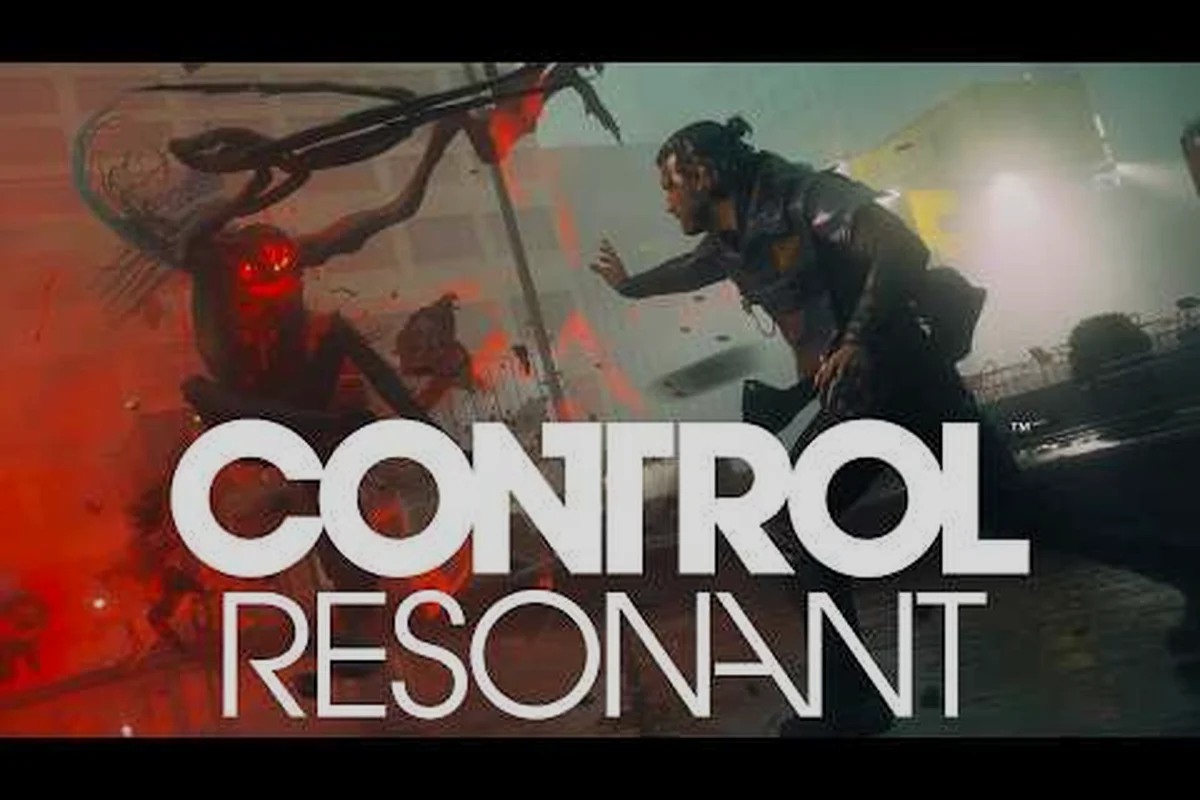
CONTROL Resonant Build Guide for Beginners: Launch Week Tips
Master the CONTROL Resonant build guide for beginners with early-game setups that prioritize survivability. Lock in essential melee upgrades and ability picks.

CONTROL Resonant Strongest Build: Max Damage & Speed Setup
Maximize damage, speed, and survivability with the control resonant strongest build. Crush every reality-bending threat using this optimized late-game setup.

CONTROL Resonant Ability Focused Build: Powers and Synergy
Master the West Incursion Zone on September 24 with a control resonant ability focused build using top-tier power combos and cooldown synergy.

CONTROL Resonant Playstyle Guide: Agility and Elements
Explore raw melee, agility, and power builds in this control resonant playstyle guide. Dominate reshaped Manhattan with your ideal combat identity.